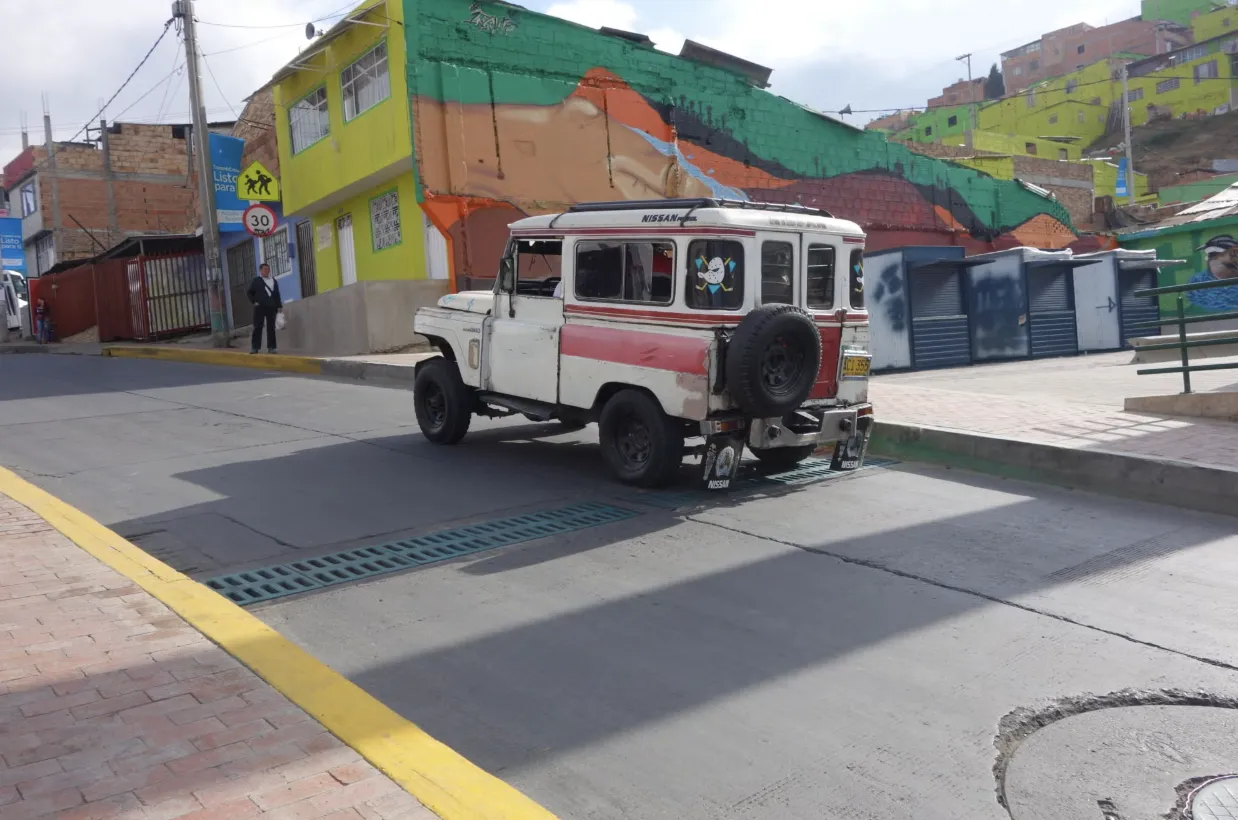
Planning With, Not Around, Informal Transport: Lessons From Bogotá | TheCityFix
Check out the new CityFix Blog by By Luis Angel Guzman Garcia, Daniel Oviedo, Juan Esteban Sanchez-Gomez and Paula Guevera Aladino!
For decades, transport reform in the Global South has followed the same script: formalize, replace or repress informal transport services. The results are mixed at best.
Bogotá itself integrated its public transport system years ago, yet informal services persist precisely where the formal network underdelivers.
The Bogotá Living Lab bets on a humbler premise: you cannot regulate what you refuse to understand, and you understand faster when operators and users are co-researchers rather than enforcement targets.
This work is part of the Partnership for Research on Informal and Shared Mobility (PRISM) network, which supports living labs in cities including Accra, Bangkok, Cape Town, Mumbai, New York and San José, Costa Rica. Together, these initiatives are building evidence on how informal and shared mobility systems operate, and how cities can engage with them more effectively.
We know that participatory processes can stall, and goodwill alone doesn’t build high-quality public transport systems. But after decades of planning for communities instead of with them, Bogotá Living Lab’s new research shows what can happen when residents help shape the understanding of how their neighborhoods move. Listening may not be the whole solution, but it may be one of the most important places to begin.
Read the full article here.