Popular Transport and Inclusive Cities - A Columbia World Projects initiative
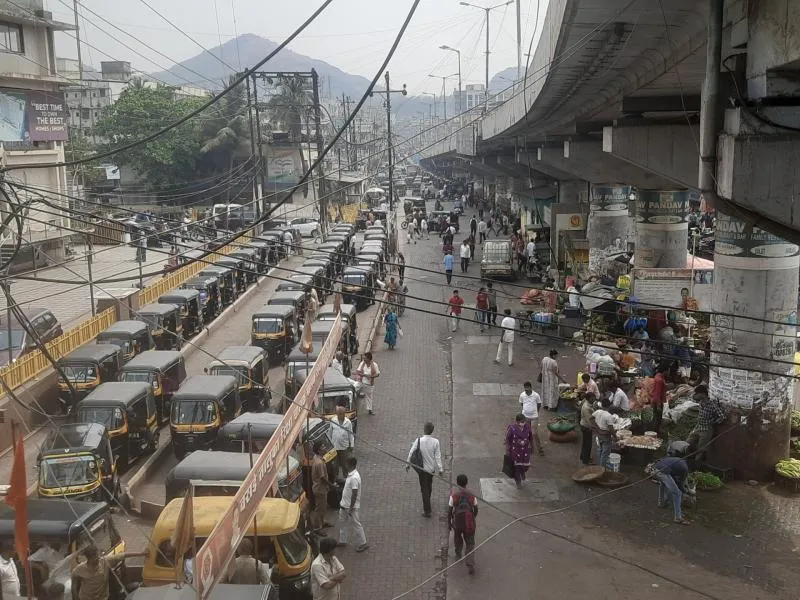
Popular Transport and Inclusive Cities: Improving everyday mobility for women and children in Mumbai & Ahmednagar
The project aims to address the entrenched mobility exclusion experienced by women and children in peripheral and relocated communities. In these neighborhoods, reliable and safe transport to school, healthcare, and work is often scarce, and informal auto-rickshaw systems—despite being essential for last-mile connectivity—are typically left out of formal planning. The project explicitly targets the disconnect between past housing resettlement and transport infrastructure, and the resulting safety risks and travel burdens borne by women and children.
How it works
The team is deploying a community-led, data-driven strategy: participatory mapping, digital data tools, and collaborative design with women’s collectives, local transport operators, and civic stakeholders. A living-lab approach will test pilot interventions that include new rickshaw routes, driver sensitivity training, and infrastructure improvements. The project will also prototype integrated community–mobility hubs that bundle childcare, access to information, and tailored rickshaw connectivity—and serve as on-the-ground data-collection and advocacy points. Findings will be translated into policy briefs, public exhibitions, and peer-reviewed publications to lay a foundation for broader systems change.
Who is involved
The initiative is a partnership between Columbia University researchers and India-based organizations SPARC (Society for the Promotion of Area Resource Centres), Mahila Milan, KRVIA (Kamla Raheja Vidyanidhi Institute for Architecture and Environmental Studies), URBZ, The Urban Catalysts, and the Columbia Global Center Mumbai—combining local trust and field experience with academic support.
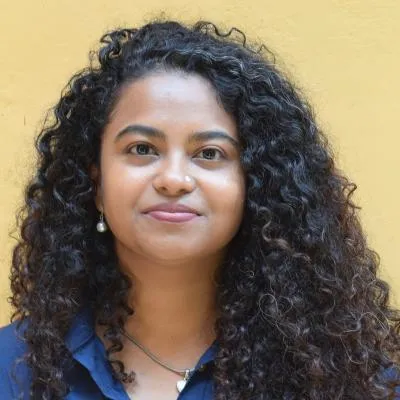
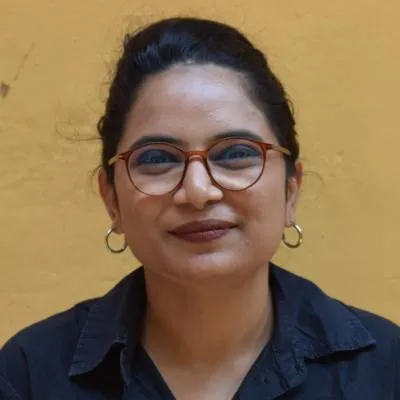
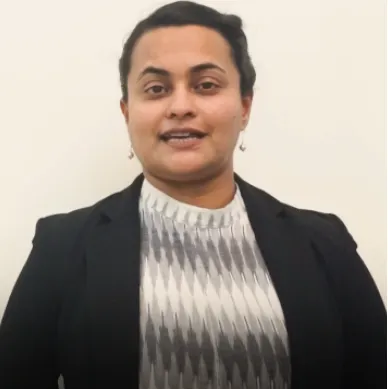
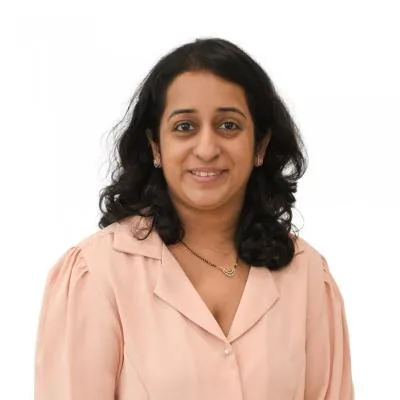
Image Carousel with 11 slides
A carousel is a rotating set of images. Use the previous and next buttons to change the displayed slide
-
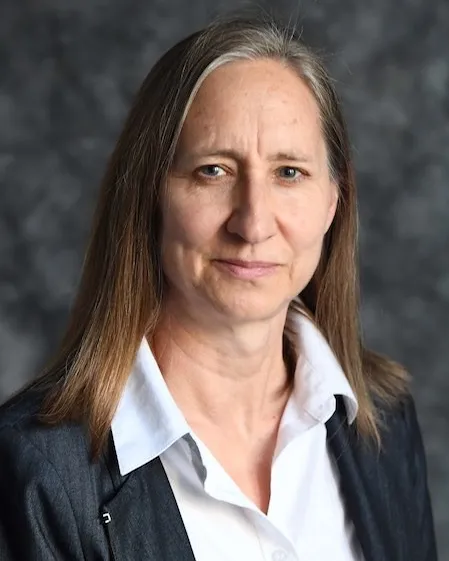
Slide 1: Dr. Jacqueline Klopp, Director and Research Scholar, Center for Sustainable Urban Development
-
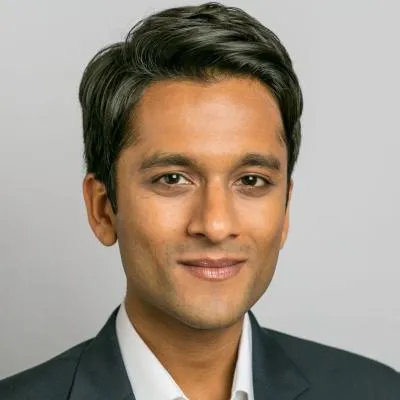
Slide 2: Nikhar Gaikwad, Assistant Professor in the Department of Political Science and a member of the Committee on Global Thought at Columbia University
-
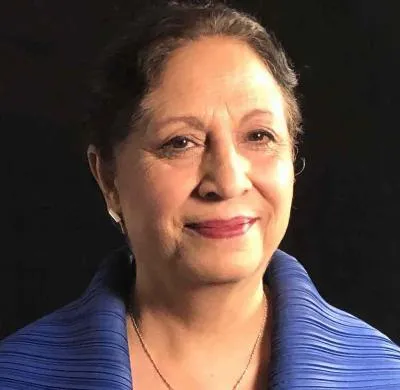
Slide 3: Dr. Geeta Mehta, Founder of Social Capital Initiatives (formerly Asia Initiatives)
-
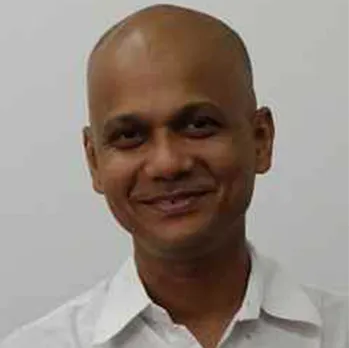
Slide 4: Anreerudha Paul, Kamla Raheja Vidyanidhi Institute for Architecture and Environmental Studies (KRVIA); Society for the Promotion of Area Resource Centers (SPARC)
-
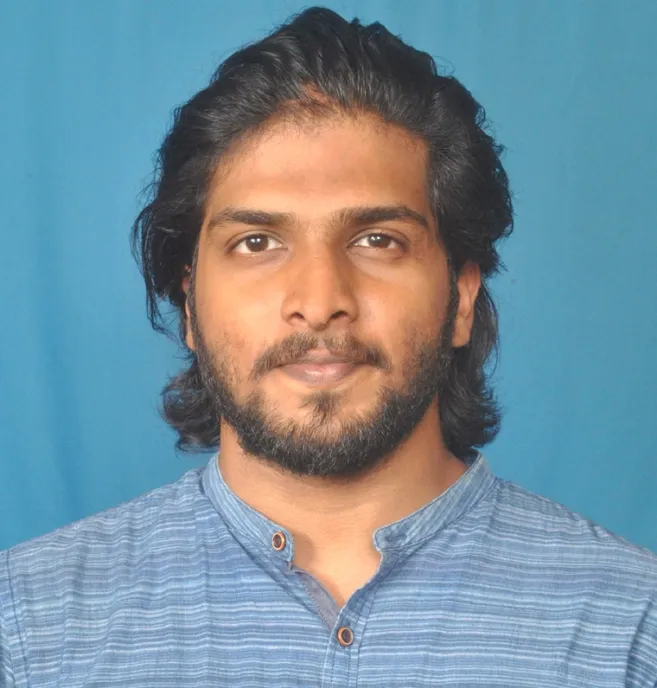
Slide 5: Alex Mohan Kandathil, Society for the Promotion of Area Resource Centers (SPARC)
-
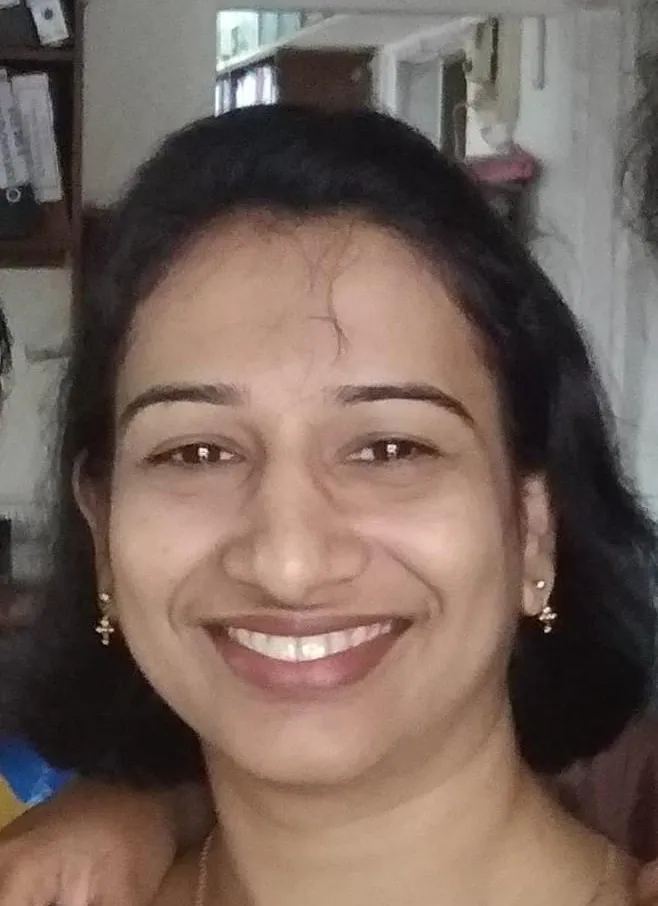
Slide 6: Maria Lobo, Society for the Promotion of Area Resource Centers (SPARC)
-
Slide 7: Kareena Kochery, Partner at the URBZ Collective
-
Slide 8: Samidha Patil, Partner at the URBZ Collective
-
Slide 9: Sonal Shah, Executive Director of the Centre of Sustainable and Equitable Cities and Founder of The Urban Catalysts
-
Slide 10: Puja Pednekar, Senior Communications Officer at Columbia Global Centers Mumbai
-
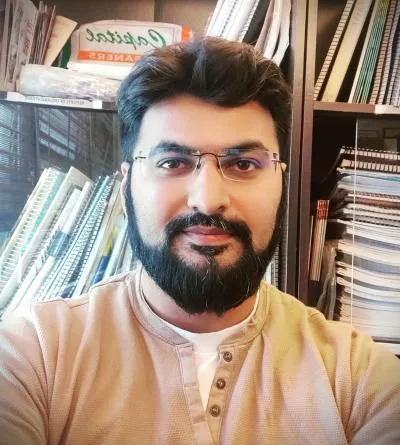
Slide 11: Nihar Johari, Society for Promotion of Area Resource Centres (SPARC)
What impact it aims for
The project seeks to directly benefit 10,000+ people and inform urban mobility planning at state and national levels, reframing popular transport as a vital urban asset. Longer-term objectives include institutionalizing inclusive transport policies and creating scalable inter-city learning models that link larger and smaller urban centers.
“We are committed to a deeply engaged, long-term approach with communities, one that continues until meaningful change is visible on the ground… towards an on-ground impact.”
— Alex Mohan Kandathil (SPARC).
By bringing together community-led planning, auto-rickshaw providers, and digital tools, the project charts a practical pathway toward more connected, inclusive, just, livable, and resilient cities.