Popular Transport Explainers: Economics of Two and Three - Wheelers
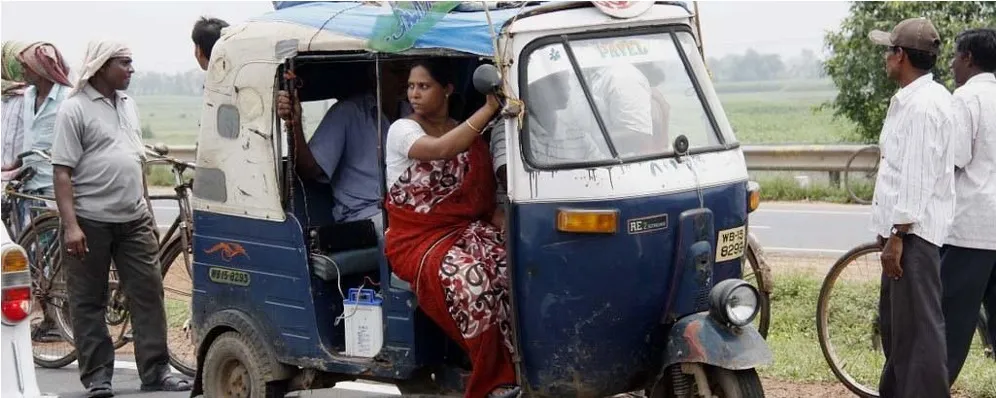
Throughout the Global South, popular two- and three-wheeled (2&3W) transport provides millions with mobility and employment, reducing reliance on private vehicles. These modes of transport not only generate income but also support local businesses and commercial hubs, creating an economic ecosystem that sustains drivers, food vendors, mechanics, and informal workers. However, challenges such as informality, regulatory barriers, and financial constraints continue to limit their potential.
Key Trends
1. Popular Transport as an Income Source
Popular transportation employs millions globally, though official data remains scarce. In Dhaka, 2&3W transport generates around 30% of total jobs. In Uganda, the boda-boda industry is the second-largest employer, sustaining 1.7 million people. In India, 90% of transport workers operate informally, with auto-rickshaws and cycle rickshaws providing millions of jobs in rural and urban areas.
2. 2&3W Connects Commerce and Commutes
Popular transport hubs create economic interdependence between vendors, drivers, and passengers. In Metro Manila, the Baclaran LRT Station supports between 1,000 to 3,000 street vendors, benefiting from commuter foot traffic. Similarly, in Mumbai, shared auto-rickshaws help sustain small businesses by facilitating trade near transit hubs.
3. New Technology Boosts Earnings and Safety
Ride-hailing apps and digital financial tools have changed how 2&3W transport operates, increasing fare transparency, trip efficiency, and financial security. In East Africa, app-based drivers earn 29% more than those relying on traditional methods. Ride-hailing services have also improved women’s safety and mobility, though concerns remain over platform dependency and commission structures.
Key Challenges
1. Inadequate Regulation and Lack of Public Investment
Despite their importance, popular transport services operate with little government investment or support. Strict yet inconsistent regulations make it difficult for operators to remain compliant, while lack of infrastructure, such as dedicated lanes and charging stations, further complicates operations. As a result, many operators resort to informal workarounds to continue functioning.
2. Lack of Access to Financing
Most 2&3W operators lack formal credit access, leading them to high-interest moneylenders for loans. In India, many have their vehicle documents held as collateral, trapping them in debt cycles. Without structured financial support, drivers struggle to maintain and upgrade vehicles, reducing service reliability and safety.
3. Respect for Rights
Informal transport workers lack contracts, legal protections, and access to social security. Many experience harassment and bribery due to unclear legal status. Women in the sector face added safety concerns and barriers to entry, limiting their participation in a male-dominated field. Without official recognition, workers have little bargaining power to demand better wages or working conditions.
● Exposure to Harassment and Corruption
Without formal registration or contracts, workers are vulnerable to police harassment and bribery. They lack legal recourse when faced with unjust treatment, making them easy targets for exploitation.
● Limited Access to Social Protections
Unlike formal transport employees, most 2&3W operators lack health insurance, paid leave, and retirement benefits. Their informal status excludes them from social security systems, leaving them financially vulnerable.
● Lack of Bargaining Power and Political Representation
Because informal transport workers are not formally recognized, they struggle to organize and advocate for better wages, fair regulations, and improved working conditions. Without legal unions or associations, their voices are often overlooked in policymaking.
● Gendered Challenges
Women working in 2&3W transport face additional risks due to harassment, discrimination, and safety concerns. Many choose not to enter the field, further widening the gender gap in employment opportunities. Initiatives to increase women drivers and riders have helped, but more needs to be done.
Policy Recommendations
1. Update Regulations and Integrate Popular Transport Into Planning
Recognizing 2&3W transport as a formal part of urban mobility would improve service reliability, worker protections, and public transport integration. Cities like Mexico City, Cape Town, and Montería have successfully incorporated informal transport into urban planning, enhancing efficiency and service quality.
2. Professionalize the Popular Transport Sector
Authorities should support training, financial literacy programs, and formal registration to improve business models and reduce informality. In Bangkok, registration of motorcycle taxis led to higher driver incomes and lower corruption. In Mexico City, a census of informal transport workers helped improve social security access and professional development programs.
3. Enhance Access to Finance for the Sector
Expanding affordable credit options and microfinance programs would help drivers purchase, upgrade, and maintain vehicles without relying on predatory lenders. In India, government-backed initiatives for electric 2&3W vehicles have reduced financing risks and improved vehicle affordability.
By formalizing, regulating, and financially supporting the sector, governments can ensure stronger urban mobility, improved working conditions, and greater economic opportunities for millions who depend on 2&3W transport.
Full Report
The full article can be accessed here: Popular Transport Explainers: Economics of Two- and Three-Wheelers