
PRISM at the VREF Gothenburg Conference 2025: Exploring the Future of Informal and Shared Mobility
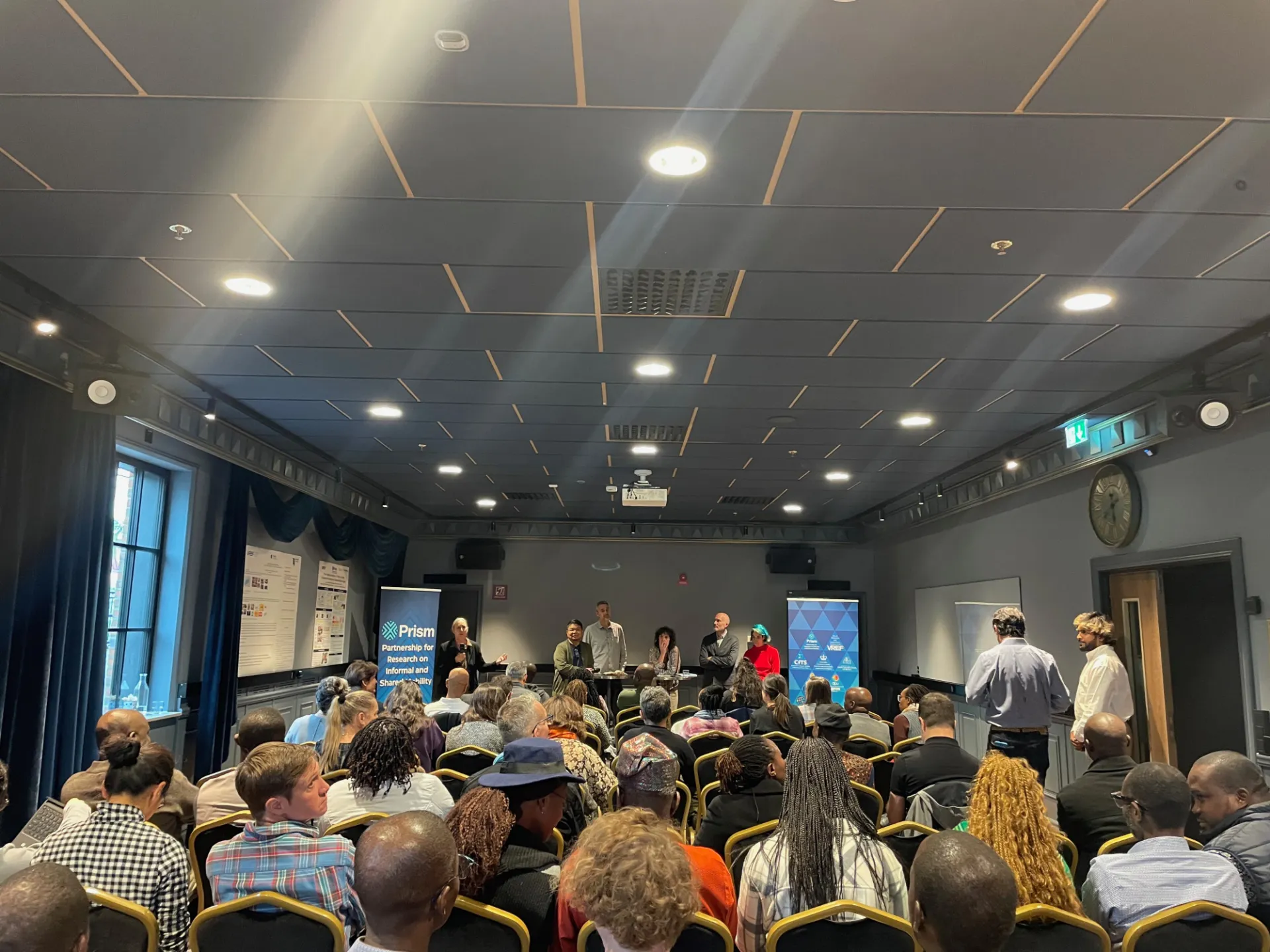
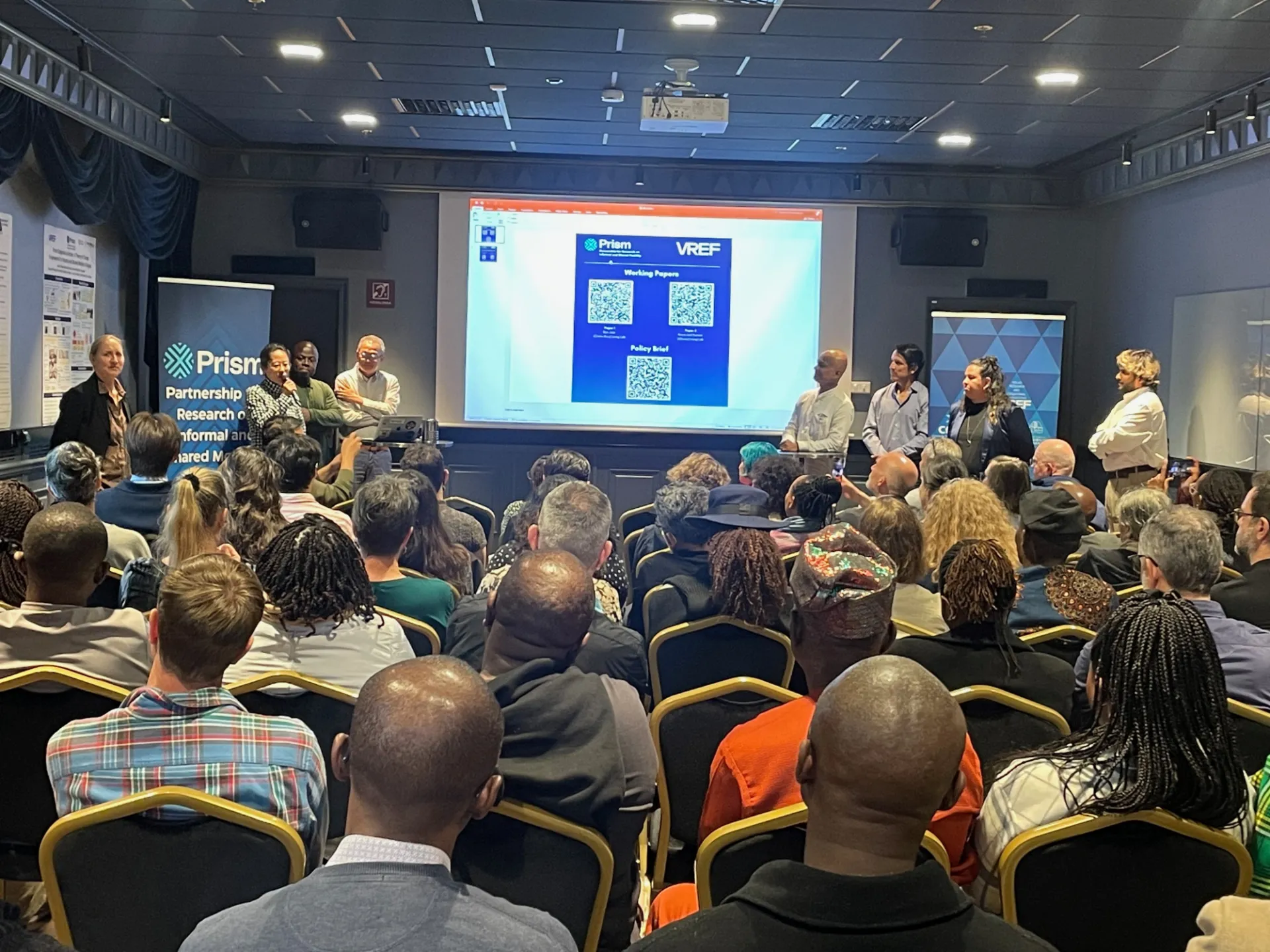
In May 2025, PRISM (Partnership for Research on Informal and Shared Mobility) hosted a dynamic evening session as part of the Volvo Research and Educational Foundations (VREF) Conference in Gothenburg. Held at the Grand Curiosa Hotel, the event—titled “What is the Future of Informal and Shared Mobility? Research Reflections from the Ground Up”—brought together global researchers, policymakers, advocates, and practitioners to examine how informal and shared mobility systems can advance more just, inclusive, and sustainable urban futures.
Setting the Stage
The session opened in the Auditoriet meeting room with a welcome note from Jacqueline Klopp (PRISM) and Holger Dalkmann (VREF), who introduced PRISM’s mission and the Informal and Shared Mobility (ISM) program. Their remarks underscored the importance of integrating grassroots knowledge with global transport policy to confront the twin challenges of climate change and urban equity.
This was followed by a film presentation led by Jacqueline Klopp and Alex Mohan, setting the tone for an evening of reflection and dialogue. The film illustrated lived experiences from PRISM’s global Living Labs network—stories of resilience, adaptation, and innovation from informal mobility providers and users across continents.
Conference Highlights
The conference main events featured:
- Keynote presentations on the global role of popular transport in meeting equity and climate targets.
- Workshops designed to strengthen methodological approaches for documenting and analyzing informal mobility.
- Launches and announcements, including new PRISM research briefs and calls for deeper cross-institutional collaboration.
Image Carousel with 4 slides
A carousel is a rotating set of images. Use the previous and next buttons to change the displayed slide
-
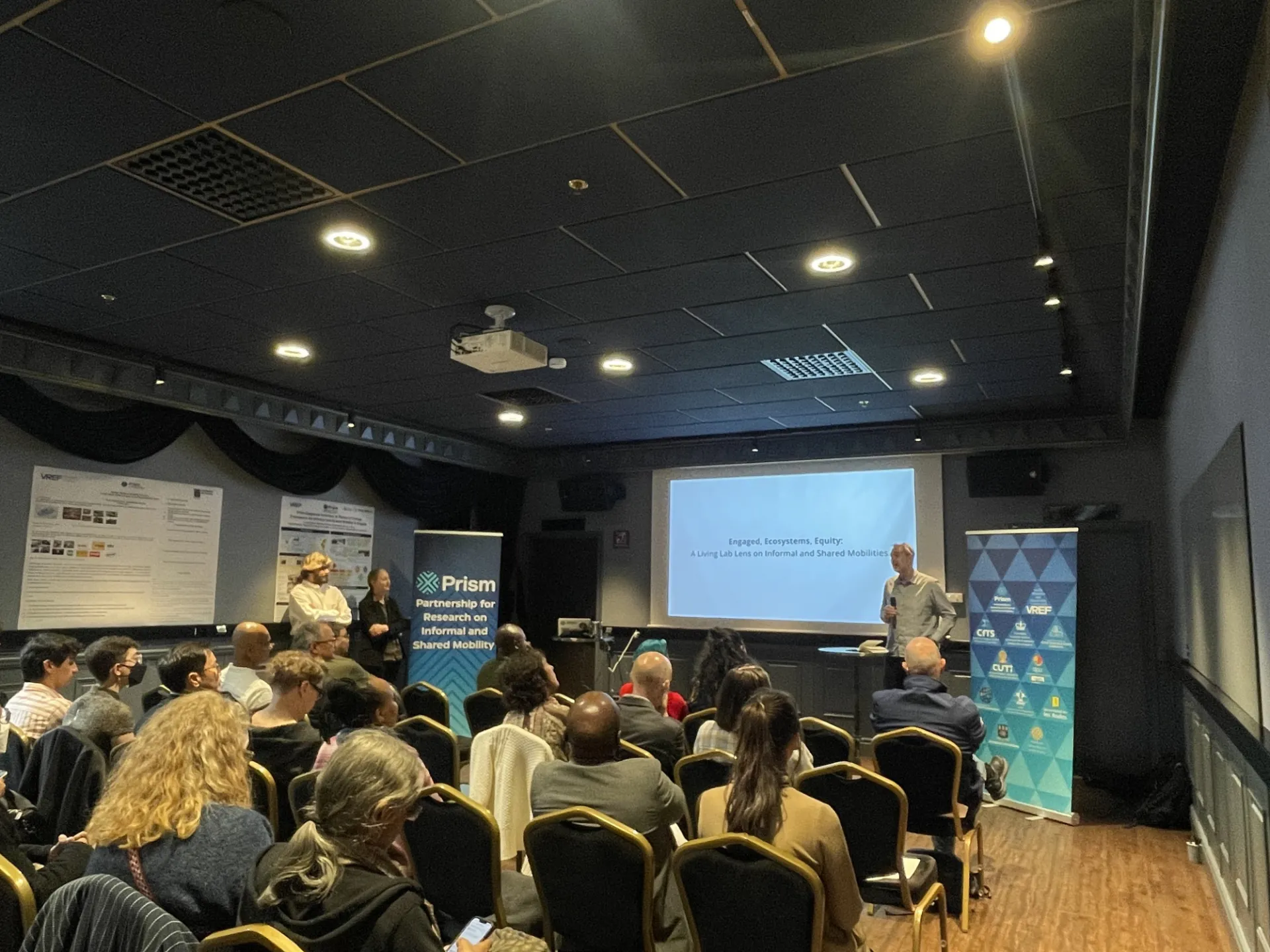
Slide 1: Plenary session at the Gothenburg conference, where shared mobility and climate resilience were central themes.
-
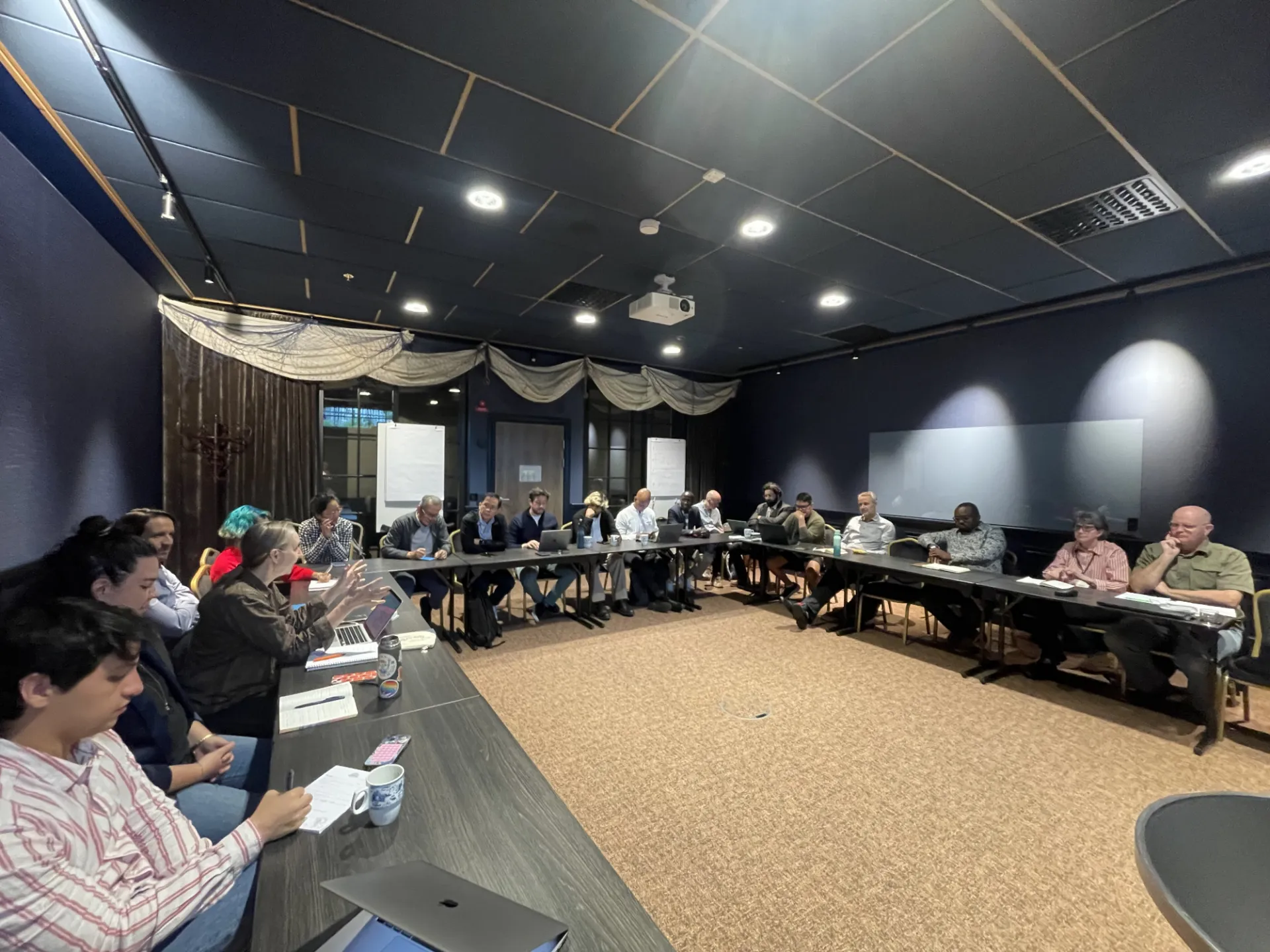
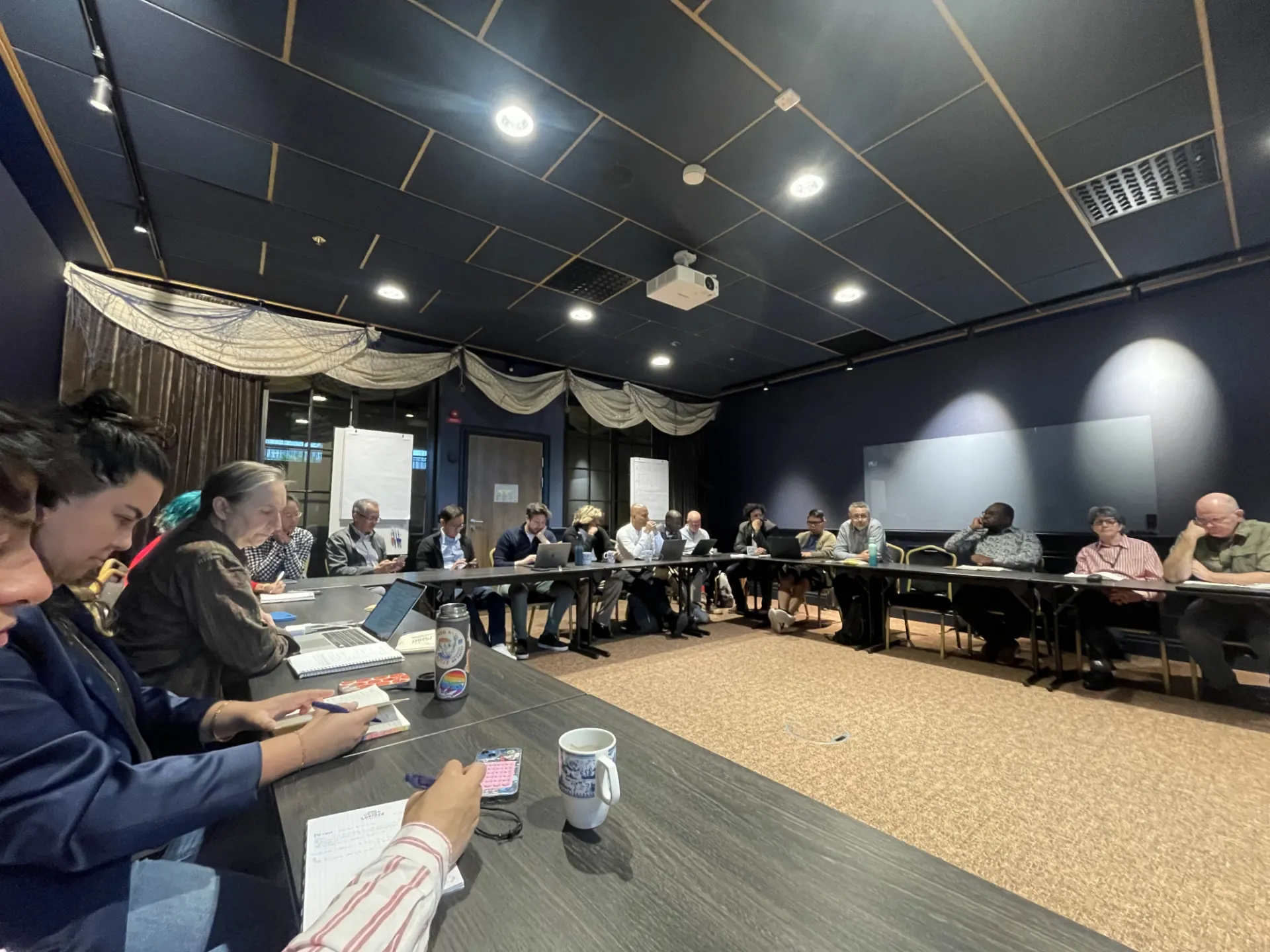
Slide 2: Workshop session where researchers and practitioners co-designed strategies for scaling sustainable shared mobility.
-
Slide 3: PRISM community members capturing the spirit of collaboration at Gothenburg
-
Slide 4: Participants engage with outputs from PRISM research sessions, highlighting key themes of governance, climate resilience, and electrification pathways.
Panel Discussions: Learning from the Ground Up
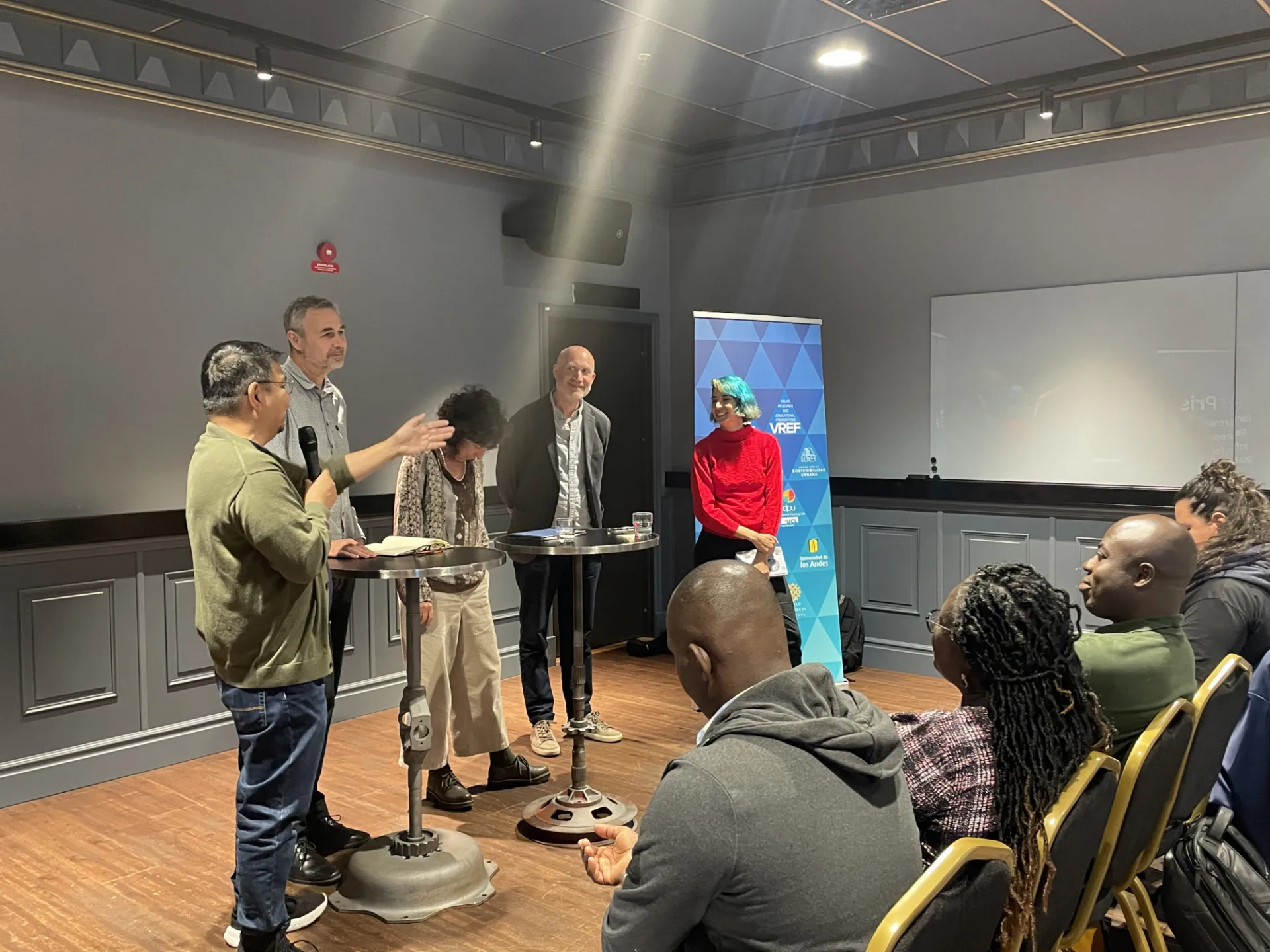
The event featured two interactive panels that drew from the expertise of PRISM’s international collaborators:
- Panel 1 – “What is the Future of Informal and Shared Mobility? What Have We Learned by Attempting a Living Lab Approach?”
Moderated by Jacqueline Klopp and Alex Mohan, this discussion featured voices including Aneerudha Paul, Luis Guzman, Obiora Nene, Ernest Agyemang, Su Song, Apiwat Ratanawaraha, and Carla Quesada. They reflected on the successes and challenges of implementing Living Labs as tools for research and co-production with communities. - Panel 2 – “What is the Status of Advocacy and Policy on Informal and Shared Mobility?”
Moderated by Benjie de la Peña, this conversation engaged Andrea San Gil, Ben Welle, Holger Dalkmann, and Alana Dave. The panel addressed how advocacy networks and international institutions are beginning to recognize informal mobility, and how policy gaps remain in supporting its resilience and transition towards low-carbon futures.
Both panels included active audience Q&A sessions, inviting contributions from researchers, practitioners, and students alike.
Showcasing Next Gen Scholars
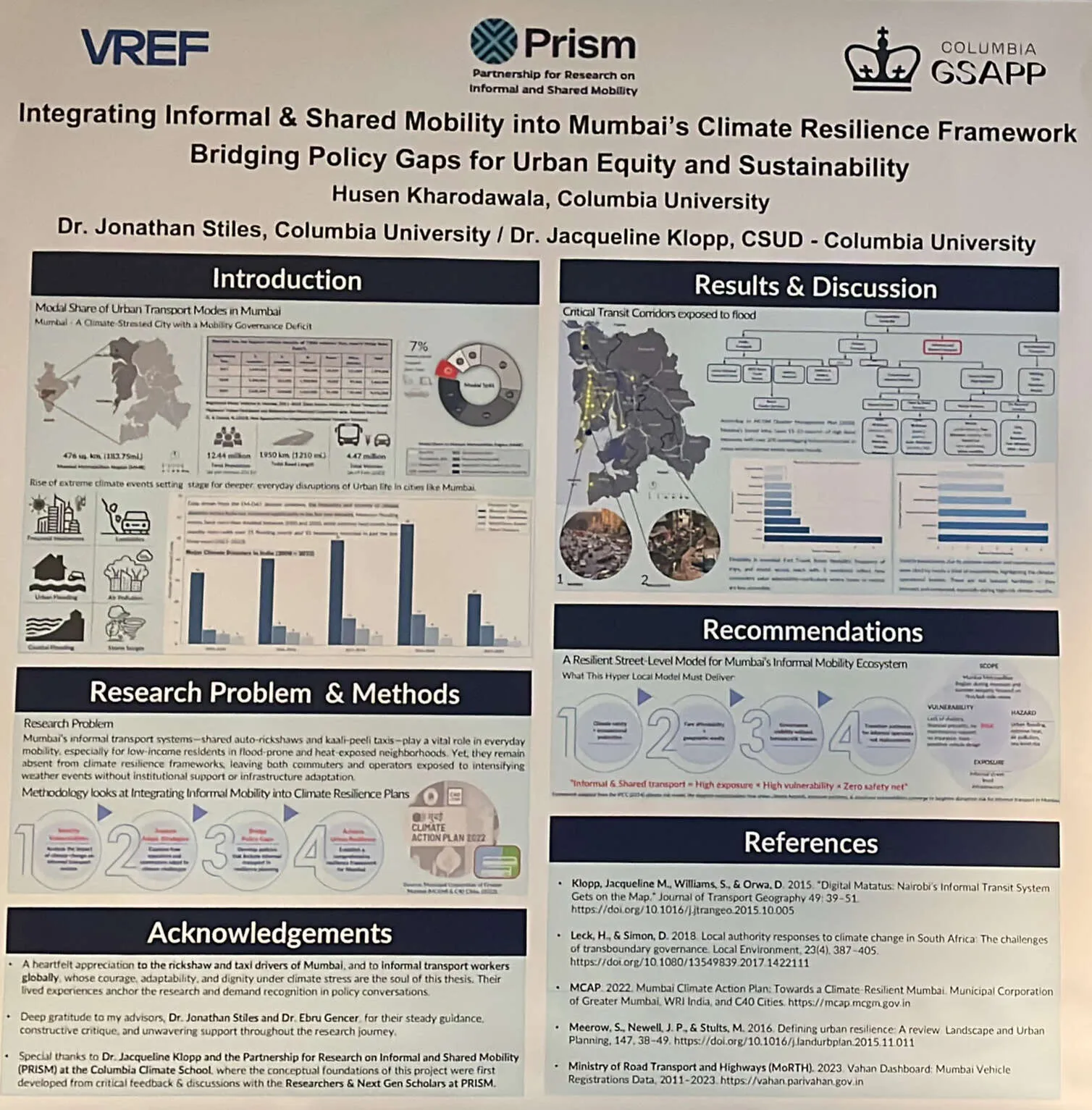
One of the unique features of the conference was its showcase of NextGen Scholars, early-career researchers embedded in the PRISM network. Their work reflected diverse regional and thematic priorities but collectively emphasized the urgent need to integrate informal mobility systems into climate resilience and equity frameworks.
- A poster presentation by Husen Kharodawala (Columbia University), a NextGen Scholar, titled “Integrating Informal & Shared Mobility into Mumbai’s Climate Resilience Framework: Bridging Policy Gaps for Urban Equity and Sustainability.”
- The work maps out transport vulnerabilities in flood- and heat-prone corridors of Mumbai, with particular focus on informal modes such as shared auto-rickshaws and taxis.
- It also provides policy recommendations for integrating these modes into formal planning frameworks.
This segment of the event illustrated PRISM’s strong commitment to cultivating new voices and embedding their research in live policy debates.
Networking and Collaboration
The evening concluded with a reception and networking session in the lower conference foyer, where participants continued discussions over light refreshments. This informal space encouraged connections between researchers, advocates, and policymakers—reflecting PRISM’s commitment to fostering collaboration across geographies and disciplines.
Why This Matters
The Gothenburg session was more than an academic event—it was a moment of recognition for informal mobility systems, which often remain invisible in mainstream policy debates. By highlighting lived experiences, supporting Next Gen scholars, and building bridges between local practice and global advocacy, PRISM and VREF reinforced the urgency of embedding informal and shared mobility into the climate and equity agenda.
As electrification and decarbonization gain momentum, events like this ensure that the voices of everyday commuters and informal operators remain central to shaping the future of mobility.